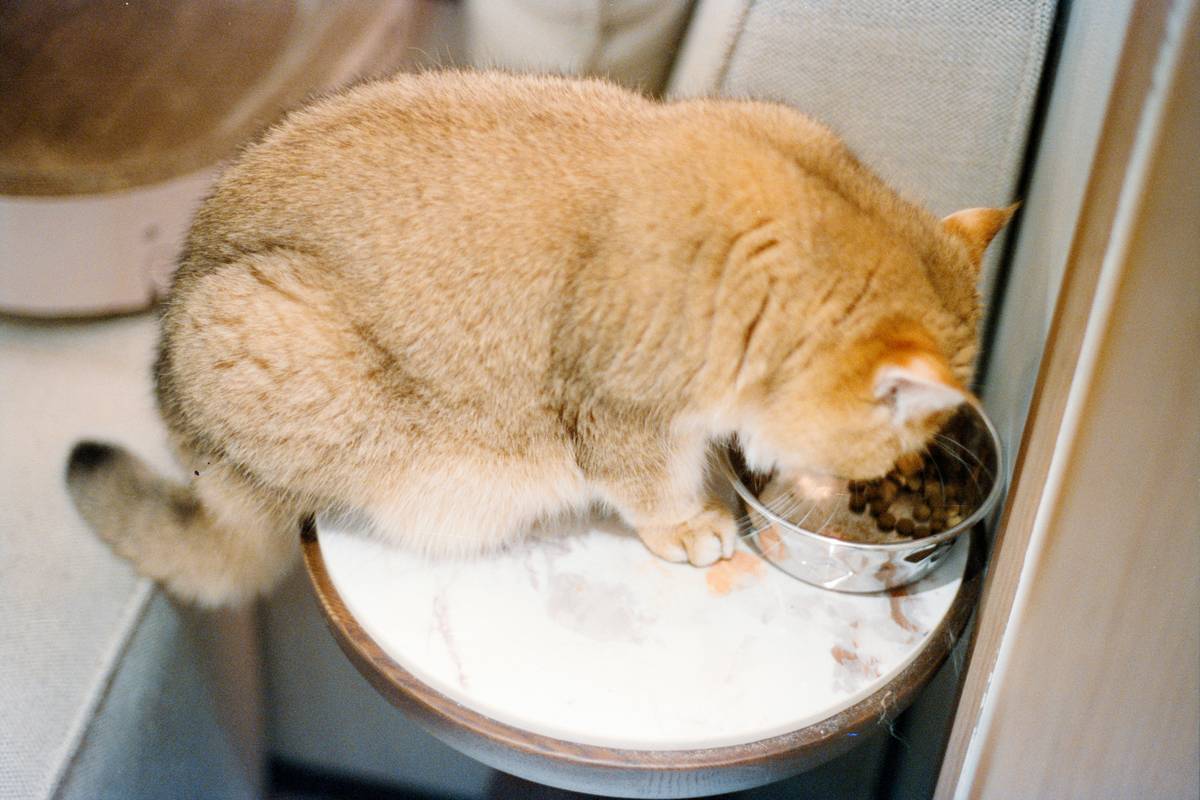
Your cat licks the bowl clean—yet still suffers from dull fur, digestive upset, or unexplained lethargy. You’ve switched brands, tried “grain-free,” even splurged on premium labels. But symptoms persist. Why? Because most so-called “natural” formulas hide fillers, synthetic additives, and vague meat sources behind clever marketing. The real fix starts with understanding pure cat food composition—not the version sold on pet store shelves, but the biological truth your feline actually needs.
Why Standard “Organic” Labels Fail Your Cat
“Organic” on a bag doesn’t guarantee nutritional integrity. Regulations allow loopholes—like using organic corn or peas as primary protein sources. Cats are obligate carnivores. Their bodies evolved to run on animal tissue, not plants. And yet, many top-selling “organic” kibbles derive over 40% of their protein from legumes. That’s not nutrition—it’s cost-cutting dressed in green packaging.
Worse? Ingredient lists often read like chemistry exams: “natural flavors,” “mixed tocopherols,” “yeast culture.” These sound harmless but can mask low-grade rendered meats or excessive processing that denatures essential amino acids like taurine.
Decoding Real Pure Cat Food Composition: A Practitioner’s Protocol
Forget buzzwords. Focus on structure. True purity hinges on three pillars: ingredient origin, macronutrient alignment, and minimal processing. Here’s how to audit any brand—without a lab coat.
1. Source Transparency Over Certifications
Look for named species: “free-range chicken,” “wild-caught salmon,” not just “meat meal.” Ethical sourcing affects nutrient density—pasture-raised animals carry richer omega profiles than confined counterparts. Bonus points if the brand publishes farm or fishery partners.
2. Macronutrient Ratios That Mirror Prey
Wild cats consume whole prey: roughly 52% protein, 46% fat, 2% carbs (dry matter basis). Most commercial foods flip this—loading up on carbs for kibble stability. Use this table to benchmark:
| Component | Biologically Appropriate Range | Typical “Organic” Kibble | Risk of Deviation |
|---|---|---|---|
| Crude Protein | 45–60% | 28–35% | Muscle wasting, poor coat |
| Crude Fat | 20–30% | 12–18% | Dry skin, low energy |
| Carbohydrates | <10% | 35–50% | Obesity, diabetes risk |
3. Processing Method Matters More Than You Think
Gentle dehydration or freeze-drying preserves enzymes and amino acids. Extrusion—the high-heat, high-pressure process used for 95% of kibble—destroys taurine unless artificially added back. And guess what? Synthetic taurine isn’t always bioavailable at the same rate as naturally occurring forms.

The Industry Secret: The “Hydration Gap” Nobody Talks About
Here’s something most formulators won’t admit: dry food—even “pure” dry food—is fundamentally flawed for feline physiology. Cats have a low thirst drive. They evolved to get moisture from prey (70% water content). Kibble? Less than 10%. Chronic mild dehydration from dry-only diets silently stresses kidneys over time—especially in senior cats.
But—and this is key—you don’t need to go full raw to fix it. Mixing a small portion of rehydrated freeze-dried food or adding bone broth to meals bridges the gap. It’s not about perfection. It’s about strategic moisture integration. One client I advised reduced her 12-year-old’s urinary crystals by 80% in six months—just by switching 20% of meals to a hydrated format. The pure cat food composition was identical; only the water activity changed.

Frequently Asked Questions
Is “organic” the same as “pure cat food composition”?
No. Organic certifies farming practices—not species-appropriate nutrition. A food can be USDA Organic and still contain excessive carbs or unnamed meat sources. Purity demands biological relevance, not just certification.
Can I trust “human-grade” claims?
Not automatically. “Human-grade” isn’t legally defined for pet food. It’s often a marketing term. Demand facility audits or third-party test results instead of trusting label language.
How do I verify actual protein sources?
Email the manufacturer. Ask: “Is your chicken sourced from named farms? Is it deboned before rendering?” Reputable brands answer transparently. Vague replies signal filler reliance.