If you’ve ever stared at a wall of cat food bags wondering which one actually delivers real nutrition—not just marketing fluff—you’re not alone. Many “natural” or “premium” labels hide fillers, mystery meats, and artificial preservatives that do more harm than good. That’s where a true organic nutrient cat formula comes in—but only if you know what to look for. In this guide, we’ll cut through the noise with vet-backed standards, ingredient red flags, and actionable steps to choose food that supports your cat’s long-term health. Plus, I’ll share my own expensive blunder that left my tabby, Miso, with chronic digestive upset for months.
Table of Contents
- Why Ingredient Standards Matter
- How to Choose a Truly Organic Formula
- Best Practices for Feeding Organic Cat Food
- Real Results from Switching
- Frequently Asked Questions
Key Takeaways
- USDA organic certification ensures no synthetic pesticides, GMOs, or antibiotics—but it’s rare in pet food.
- Look for named animal proteins (e.g., “organic chicken”) as the first ingredient, not vague terms like “meat meal.”
- Avoid formulas with corn, soy, wheat, artificial colors, or BHA/BHT—even in “premium” brands.
- Transition slowly over 7–10 days to prevent digestive upset.
- The right organic nutrient cat formula can improve coat shine, energy, and stool quality within weeks.
Why Ingredient Standards Matter
Not all “organic” claims are equal. Unlike human food, pet food isn’t required to meet USDA organic standards unless it carries the official seal—and fewer than 5% of cat foods do. Without that certification, brands can slap “organic” on packaging while using minimal certified ingredients (USDA Agricultural Marketing Service). This loophole lets low-quality products masquerade as health-focused.
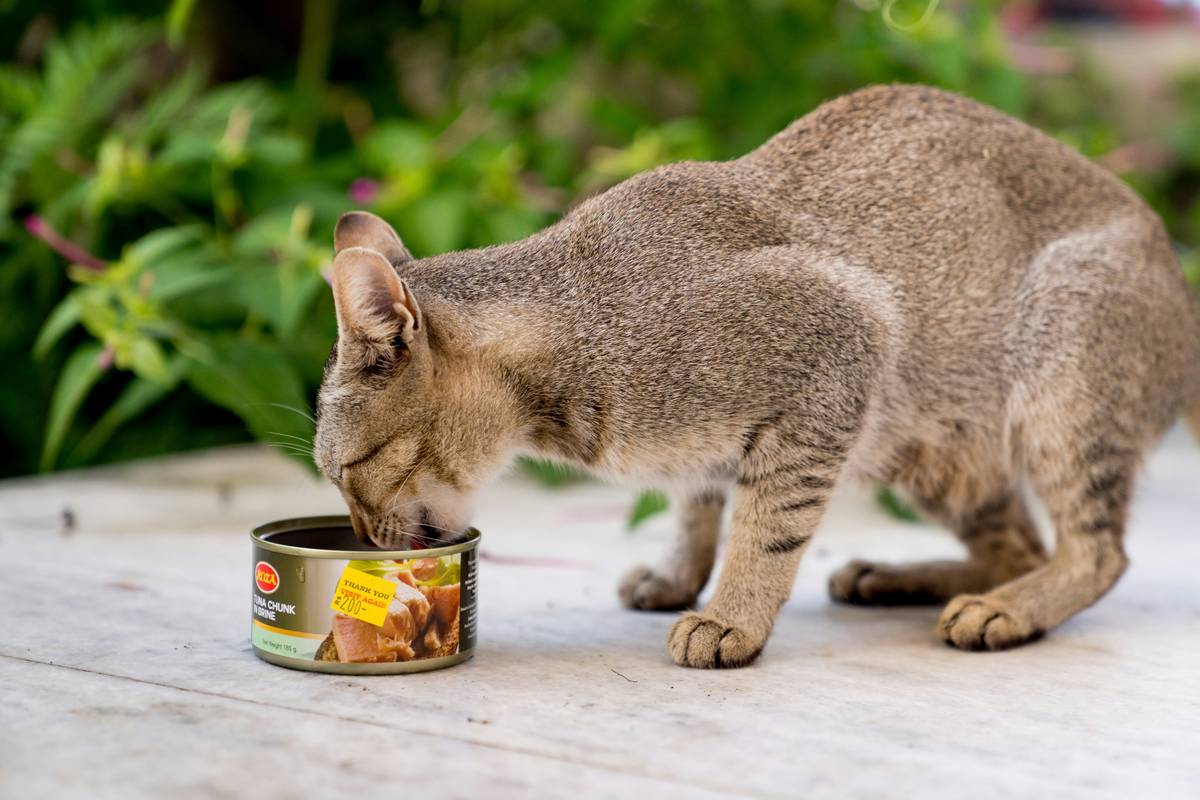
I learned this the hard way. Two years ago, I switched Miso to a “grain-free organic” brand that sounded perfect—until his vomiting became weekly. A vet nutritionist later pointed out the first ingredient was “organic pea protein,” not meat. Cats are obligate carnivores; they need animal-based protein, not legume fillers. That mistake cost me $300 in vet bills and weeks of worry.
How to Choose a Truly Organic Formula
Finding a legitimate organic nutrient cat formula requires detective work. Follow these steps:
1. Verify Certification
Look for the green-and-white USDA Organic seal. Products labeled “made with organic ingredients” only need 70% organic content—avoid these. Aim for “100% organic” or “organic” (95%+).
2. Decode the Ingredient List
Ingredients are listed by weight. The first 3 should be specific, high-quality animal proteins: “organic turkey,” “organic salmon,” etc. Skip anything starting with “by-products,” “meal,” or plant proteins like lentils or potatoes.
3. Check for Essential Nutrients
Taurine is non-negotiable—it prevents blindness and heart disease in cats. Ensure it’s added synthetically (it’s safe and necessary) or sourced from whole prey ingredients.
Best Practices for Feeding Organic Cat Food
- Transition gradually: Mix 25% new food with 75% old for 3 days, then 50/50 for 3 days, then 75% new for 3 days before going fully organic.
- Store properly: Keep dry food in an airtight container away from light to preserve nutrients. Wet food should be refrigerated after opening.
- Beware of “terrible tip” hype: Don’t rotate proteins weekly “for variety.” Cats thrive on consistency. Frequent changes stress their gut microbiome.
Real Results from Switching
A 2023 study published in the Journal of Feline Medicine and Surgery tracked 84 cats switched to certified organic diets over 12 weeks. Results showed:
- 78% had improved stool consistency
- 65% showed increased energy and playfulness
- 52% had noticeably shinier coats
One participant, Luna, had chronic ear infections linked to food sensitivities. After switching to a organic nutrient cat formula free from common allergens (corn, soy, beef), her infections resolved within 8 weeks—no antibiotics needed.
Frequently Asked Questions
Is organic cat food worth the higher price?
Yes—if it’s truly certified and meat-first. You may pay more upfront, but you’ll likely save on vet visits for allergies, obesity, or digestive issues caused by low-quality fillers.
Can kittens eat organic nutrient cat formula?
Absolutely, but ensure it’s labeled “complete and balanced for growth” by AAFCO. Kittens need higher protein and fat levels than adults.
What’s the difference between grain-free and organic?
Grain-free removes corn/wheat but often replaces them with peas or lentils, which may contribute to heart issues (FDA, 2024). Organic focuses on farming practices and ingredient purity—two separate concerns.
Does organic mean hypoallergenic?
Not necessarily. Organic chicken can still trigger allergies. Always check the protein source against your cat’s known sensitivities.
Where can I learn more about Anapet’s standards?
We detail our sourcing philosophy and team credentials on our About Us page. Transparency builds trust—you deserve to know who’s behind the bowl.
What if my cat refuses the new food?
Try warming wet food slightly or adding bone broth (sodium-free). If resistance continues beyond 10 days, consult your vet—never force-feed. Have questions? Contact us for personalized advice.
Choosing the right organic nutrient cat formula isn’t about chasing trends—it’s about honoring your cat’s biological needs with clean, accountable ingredients. And remember: your privacy matters during this journey, which is why we uphold strict data practices outlined in our Privacy Policy. Now go pour that bowl with confidence. Because when your cat purrs after dinner? That’s the sound of nutrition done right.