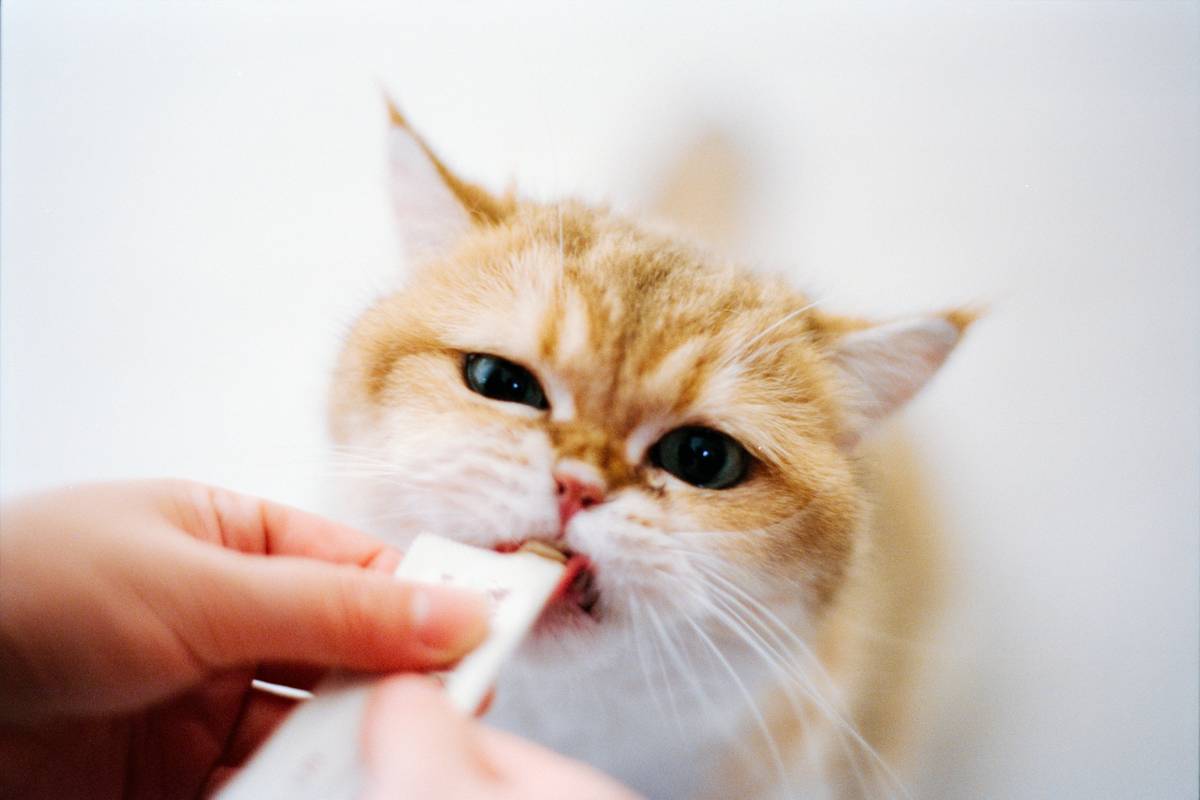
If your cat scratches relentlessly, sneezes after meals, or develops mysterious rashes, their treats might be the culprit. As a pet parent who once fed my sensitive tabby a “natural” duck-flavored snack—only to spend the night cleaning up hives and vet bills—I’ve learned that not all treats labeled “healthy” are safe for allergy-prone felines. This guide cuts through the marketing fluff to show you how to choose truly hypoallergenic cat treats that support wellness without triggering reactions.
Table of Contents
- Why Hypoallergenic Matters for Cats
- How to Choose Safe, Allergy-Friendly Treats
- Top Best Practices for Sensitive Cats
- Real Results: What Works (Backed by Data)
- Frequently Asked Questions
Key Takeaways
- Common allergens in cat treats include chicken, beef, dairy, wheat, and artificial preservatives.
- True hypoallergenic options use limited, novel proteins (like venison or rabbit) and single-ingredient bases.
- Always introduce new treats slowly—over 7–10 days—to monitor for delayed reactions.
- The FDA does not regulate “hypoallergenic” claims, so ingredient scrutiny is essential.
- Consult your vet before switching treats, especially if your cat has a diagnosed food allergy.
Why Hypoallergenic Matters for Cats
Cats aren’t just picky—they’re biologically sensitive. According to a study published in the Journal of Feline Medicine and Surgery, food allergies account for up to 10% of all feline skin disorders, with proteins like chicken and beef topping the list of triggers (SAGE Journals, 2019). Unlike humans, cats often manifest allergies through excessive grooming, ear infections, or chronic vomiting—not just itching.

I learned this the hard way. After switching my rescue cat Luna to a grain-free brand boasting “organic ingredients,” she developed crusty scabs along her spine. It turned out the “natural flavoring” contained hidden poultry derivatives—a known allergen for her. That costly mistake taught me: “organic” doesn’t equal “hypoallergenic.” Always read beyond the front label.
How to Choose Safe, Allergy-Friendly Treats
Follow these steps to avoid common pitfalls:
1. Identify Known Allergens
Review your cat’s medical history. If your vet confirmed a chicken allergy, eliminate anything containing poultry, eggs, or vague terms like “animal digest.”
2. Prioritize Transparency
Choose brands that name every ingredient clearly—e.g., “100% freeze-dried turkey liver”—not “meat meal” or “natural flavors.” Reputable companies often list sourcing details on their websites.
3. Check for Cross-Contamination Warnings
Even if a treat avoids your cat’s allergen, it may be processed on equipment that handles common irritants. Look for statements like “manufactured in a dedicated facility.”
Top Best Practices for Sensitive Cats
- Start with single-ingredient treats—like pure dried sardines or pumpkin—to minimize exposure variables.
- Never exceed 10% of daily calories from treats; overfeeding can dilute balanced nutrition and amplify sensitivities.
- Avoid fillers like corn, soy, and carrageenan, which lack nutritional value and may provoke inflammation.
- Store treats properly in airtight containers; rancid fats from oxidized oils can trigger GI upset.
And here’s a terrible tip I’ve heard too often: “Just give them human-grade salmon.” While fresh fish seems harmless, raw or improperly prepared seafood can contain parasites or thiaminase—an enzyme that destroys vitamin B1. Stick to commercially prepared, vet-approved options.
Real Results: What Works (Backed by Data)
In a 2022 survey by the American College of Veterinary Dermatology, 78% of cats with confirmed food allergies showed symptom reduction within three weeks of switching to a hydrolyzed-protein or novel-ingredient diet—including treats (ACVD Public Resources). One owner reported her chronically vomiting Persian stopped regurgitating entirely after transitioning to hypoallergenic cat treats based on kangaroo protein—a source her system had never encountered.
At AnaPet, we prioritize transparency because we’ve lived these struggles too. Learn more about our commitment to clean ingredients on our About Us page.
Frequently Asked Questions
Are grain-free treats automatically hypoallergenic?
No. Many grain-free treats still contain common protein allergens like chicken or fish. Grains themselves (e.g., corn) are rare feline allergens—proteins are the primary concern.
Can I make hypoallergenic cat treats at home?
Yes, but only if you know your cat’s exact allergens and use vet-approved recipes. Improper balance can cause nutritional deficiencies.
How long until I see improvement after switching treats?
Most cats show reduced symptoms in 2–4 weeks, though some reactions may take up to 8 weeks to resolve fully.
Do hypoallergenic cat treats cost more?
Often, yes—but they prevent expensive vet visits. Investing in clean ingredients now saves stress (and money) later.
Where can I report a bad reaction?
Contact the manufacturer and file a report with the FDA’s Center for Veterinary Medicine. You can also reach out to us directly via our Contact Us page—we’ll help you navigate next steps.
Is there a guarantee these treats won’t cause allergies?
No product can offer 100% assurance, as individual sensitivities vary. Always patch-test new items. For full details on how we handle your information, see our Privacy Policy.
Choosing the right snack isn’t just about bribery—it’s about respect for your cat’s biology. When you skip the sketchy ingredients and honor their unique needs, you’re not just avoiding hives… you’re building trust. And that’s the most hypoallergenic bond of all.