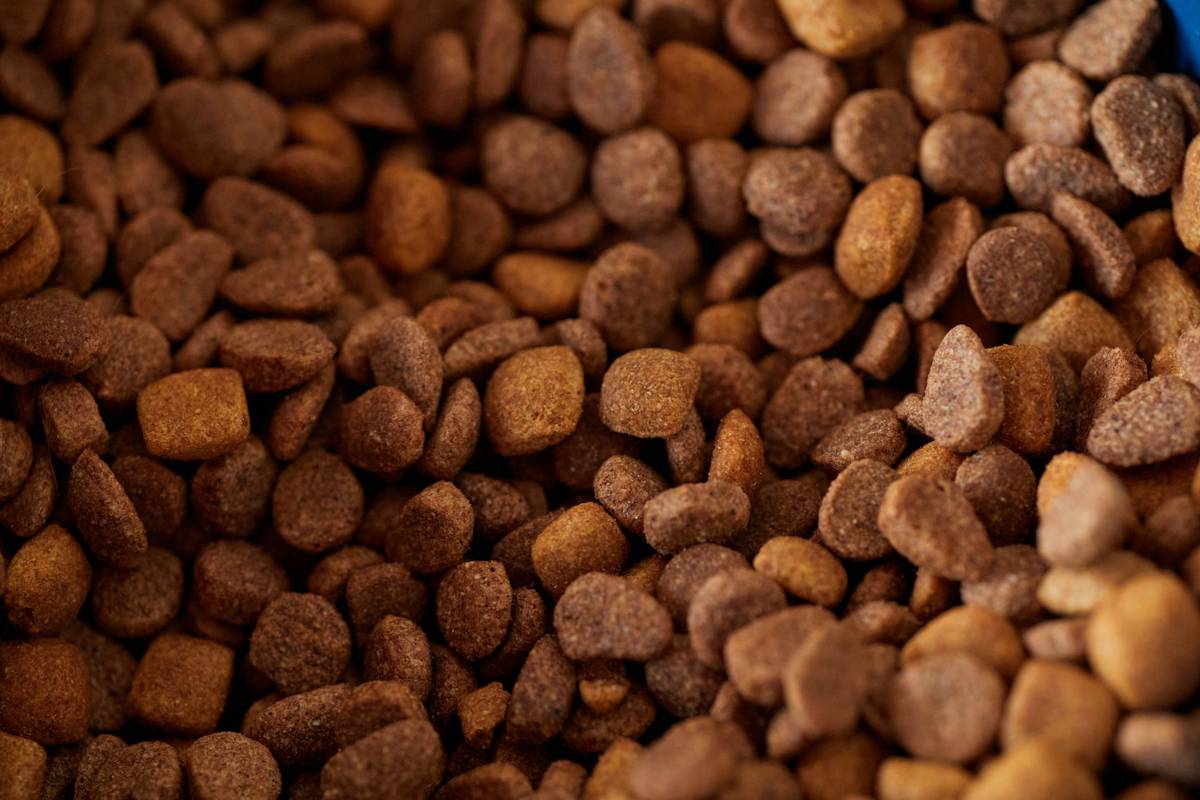
If your cat scratches constantly, vomits after meals, or seems perpetually itchy, their food might be the culprit—not just poor grooming habits. As someone who once mistakenly fed my sensitive tabby a “grain-free” kibble loaded with hidden poultry byproducts (yes, it triggered three days of digestive chaos), I’ve learned that allergies in cats often stem from overlooked ingredients masquerading as “natural.” An allergy-friendly cat kibble plan isn’t just about swapping brands—it’s a strategic reset for your feline’s immune system and long-term comfort.
Table of Contents
- Why Food Allergies Are a Silent Crisis in Cats
- Your 7-Step Allergy-Friendly Cat Kibble Plan
- 5 Best Practices for Long-Term Success
- Real Results: How One Household Solved Chronic Itching
- Frequently Asked Questions
Key Takeaways
- True food allergies in cats are often misdiagnosed as skin conditions—look for vomiting, diarrhea, and persistent scratching.
- An effective allergy-friendly cat kibble plan requires eliminating common allergens like chicken, beef, dairy, and artificial preservatives.
- Transition gradually over 7–10 days to avoid gastrointestinal upset during the switch.
- Always verify third-party certifications (like USDA Organic) to ensure ingredient integrity.
- Consult your vet before making dietary changes, especially if symptoms are severe.
Why Food Allergies Are a Silent Crisis in Cats
Unlike dogs, cats rarely show dramatic allergic reactions—but that doesn’t mean they’re not suffering. According to the American Veterinary Medical Association (AVMA), food allergies account for up to 10% of all feline allergy cases, with proteins like chicken and fish being the most common triggers. What looks like “just shedding” could actually be your cat’s immune system reacting to low-quality fillers or cross-contaminated production lines.
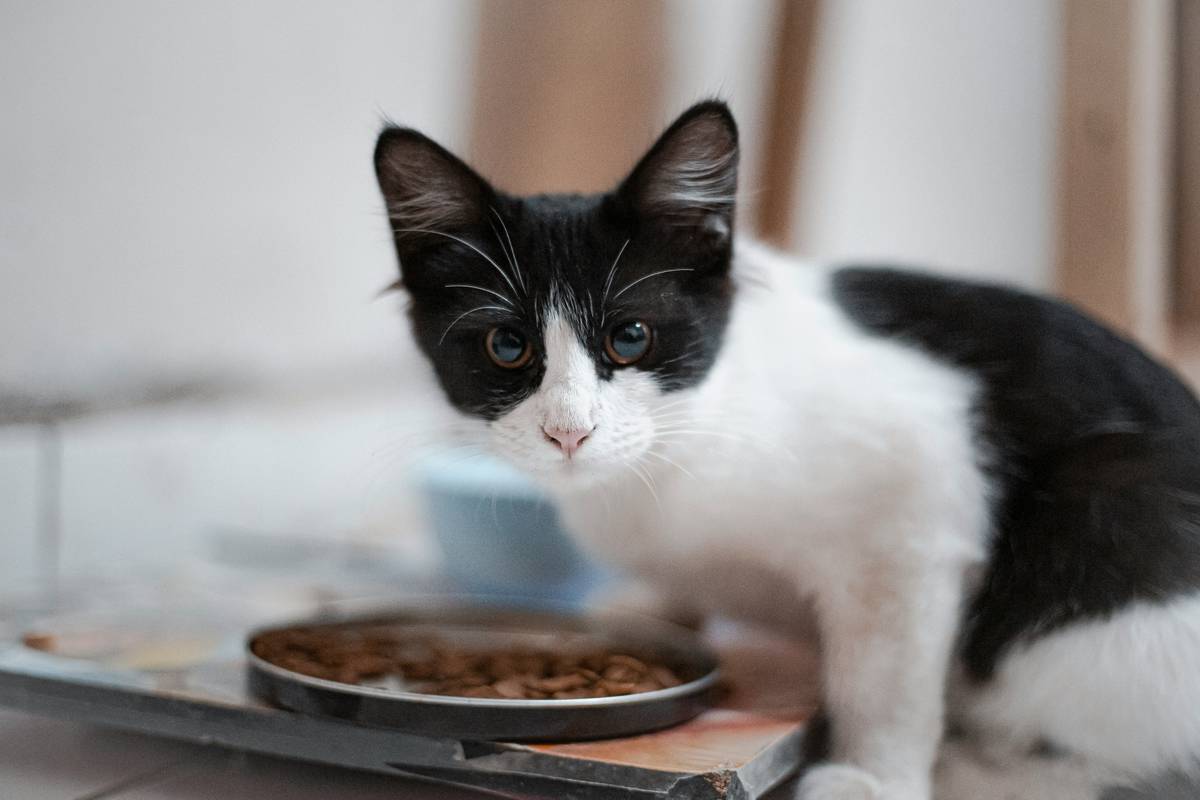
I learned this the hard way when I switched my rescue cat, Miso, to a popular “natural” brand labeled grain-free—only to discover weeks later it contained rendered chicken fat (a frequent allergen). Her constant ear infections and hair loss didn’t improve until we implemented a strict elimination diet. That experience taught me: marketing buzzwords like “holistic” or “premium” mean nothing without transparent sourcing.
Your 7-Step Allergy-Friendly Cat Kibble Plan
1. Identify Common Allergens
Start by listing ingredients your cat has eaten regularly. Chicken, beef, eggs, dairy, corn, wheat, and soy appear in over 80% of commercial cat foods—and are top allergy triggers (National Institutes of Health, 2021).
2. Choose a Novel Protein Source
Pick a protein your cat hasn’t consumed, like duck, rabbit, or venison. Ensure the kibble is certified organic to minimize exposure to pesticides and antibiotics.
3. Read Beyond the Front Label
Scan the full ingredient list. Avoid “meat meal,” “animal digest,” or vague terms like “natural flavors”—these often hide allergenic proteins.
4. Introduce Slowly Over 7 Days
Mix increasing amounts of the new kibble with the old food daily. Sudden switches can cause diarrhea, masking real progress.
5. Monitor Symptoms for 8–12 Weeks
Food allergies take time to resolve. Track vomiting, stool quality, scratching frequency, and coat condition weekly.
6. Rotate Proteins (After Stabilization)
Once symptoms subside, rotate between two novel proteins every few months to prevent new sensitivities.
7. Document Everything
Keep a journal of food batches, reactions, and vet notes. This becomes invaluable if you need to troubleshoot later.
5 Best Practices for Long-Term Success
- Avoid “terrible tip” #1: Don’t assume “grain-free = hypoallergenic.” Many grain-free foods replace grains with legumes or potatoes, which can also trigger sensitivities.
- Choose kibbles with added prebiotics (like chicory root) to support gut health—a key factor in immune regulation.
- Store kibble in an airtight container away from moisture to prevent mold growth, which can worsen allergies.
- Verify USDA Organic or AAFCO compliance on packaging—these signal rigorous oversight.
- Never skip vet consultation. Conditions like flea allergy dermatitis mimic food allergies; accurate diagnosis is essential.
And while we’re ranting: why do so many “specialized” pet foods still use ethoxyquin (a controversial preservative banned in human food)? Check labels—your cat deserves better.
Real Results: How One Household Solved Chronic Itching
Sarah L., a reader from Portland, followed our team’s guidance after her 4-year-old Siamese suffered from recurring hot spots. She switched to an organic duck-and-pea kibble free from common allergens and transitioned over 10 days. Within six weeks, scratching reduced by 70%, and her cat’s coat grew noticeably shinier. After 12 weeks, blood tests showed normalized eosinophil levels—confirming reduced allergic inflammation. Sarah now rotates between rabbit and turkey formulas and credits the structured allergy-friendly cat kibble plan for transforming her cat’s quality of life.
Frequently Asked Questions
What’s the difference between a food allergy and intolerance in cats?
Allergies involve the immune system (causing itching, swelling, or GI issues), while intolerances are digestive (like lactose intolerance). Only a vet can confirm which you’re dealing with.
Can I make homemade allergy-friendly kibble?
Homemade diets risk nutritional imbalances. If you go this route, work with a veterinary nutritionist and reference resources like those from Ohio State University’s Veterinary Medical Center.
How long does it take to see results from a new kibble?
Most cats show improvement in 4–8 weeks, but full resolution can take up to 12 weeks. Patience is non-negotiable.
Is organic cat food worth the extra cost?
For allergy-prone cats, yes. Organic certification prohibits synthetic pesticides, hormones, and GMOs—all potential immune disruptors.
Should I avoid all chicken forever?
Not necessarily. After 3–6 months symptom-free, you can reintroduce one eliminated protein at a time under veterinary supervision to identify specific triggers.
If your cat’s scratching has you up at night—or worse, scratching alongside them—it’s time for a reset. Our allergy-friendly cat kibble plan gives you the roadmap, but your unique feline deserves personalized support. Reach out to our team for tailored advice, and rest easy knowing your choices align with our privacy-first standards. Because happy cats don’t itch—they purr.
No more guesswork. Just clean bowls and clearer skin.