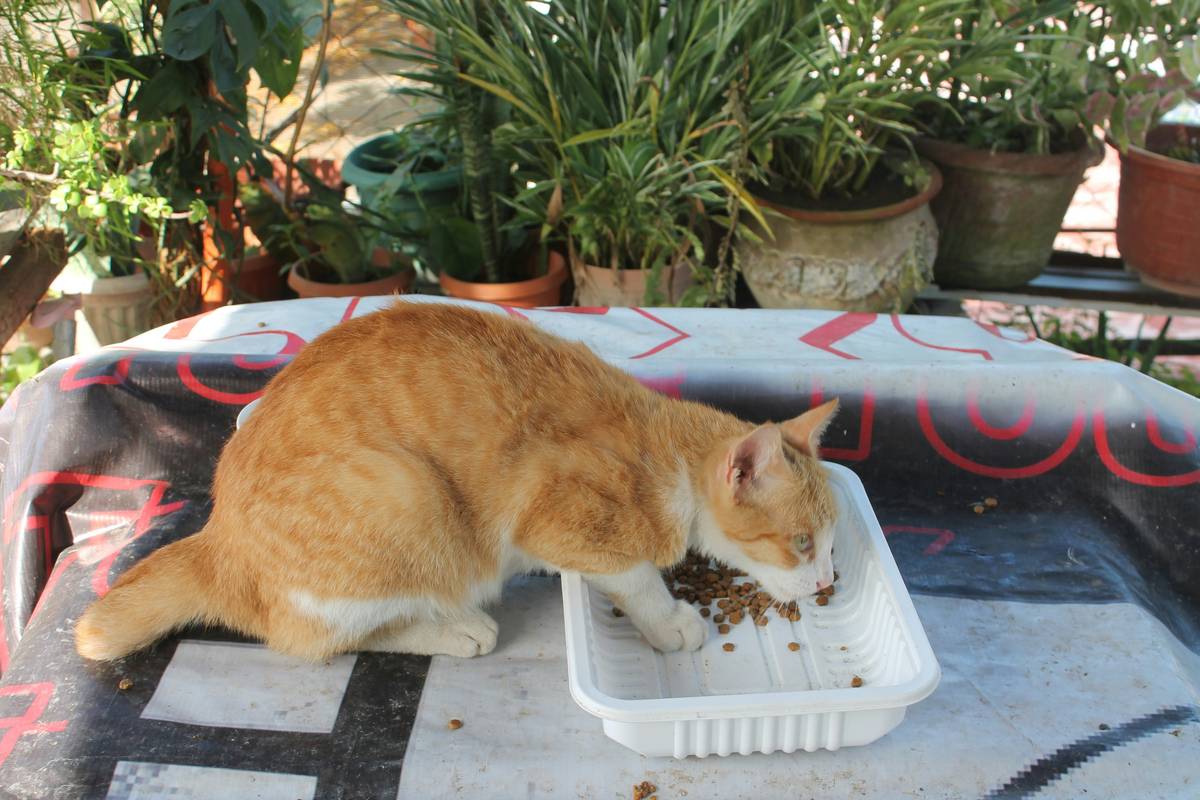
Is your cat’s food actually nourishing them—or just filling their bowl with empty calories? As a longtime pet parent who once served my feline Luna “grain-free” kibble that contained less than 25% real meat, I learned the hard way that “natural” doesn’t always mean nutritious. In this guide, we’ll unpack what makes a natural cat food nutrient truly beneficial, how to spot misleading labels, and exactly what your cat needs to thrive—not just survive.
Table of Contents
- Why Real Nutrients Matter in Organic Cat Food
- Step-by-Step Guide to Evaluating Cat Food Quality
- Best Practices for Choosing Nutrient-Rich Formulas
- Real-World Results: Case Studies & Data
- Frequently Asked Questions
Key Takeaways
- Not all “natural” cat foods deliver complete natural cat food nutrient profiles—some lack essential amino acids like taurine.
- Cats are obligate carnivores; their diets must prioritize animal-sourced proteins and fats.
- The Association of American Feed Control Officials (AAFCO) sets nutrient adequacy standards—look for “complete and balanced” statements.
- Ingredient lists can be deceptive; focus on guaranteed analysis and nutrient sources, not marketing fluff.
Why Real Nutrients Matter in Organic Cat Food
Many pet owners assume “organic” or “natural” automatically means healthy. But here’s the painful truth: the FDA doesn’t regulate the term “natural” on pet food labels. You could be buying food labeled as such while it’s packed with plant fillers like peas or lentils—which cats can’t efficiently digest or utilize for core nutrition.
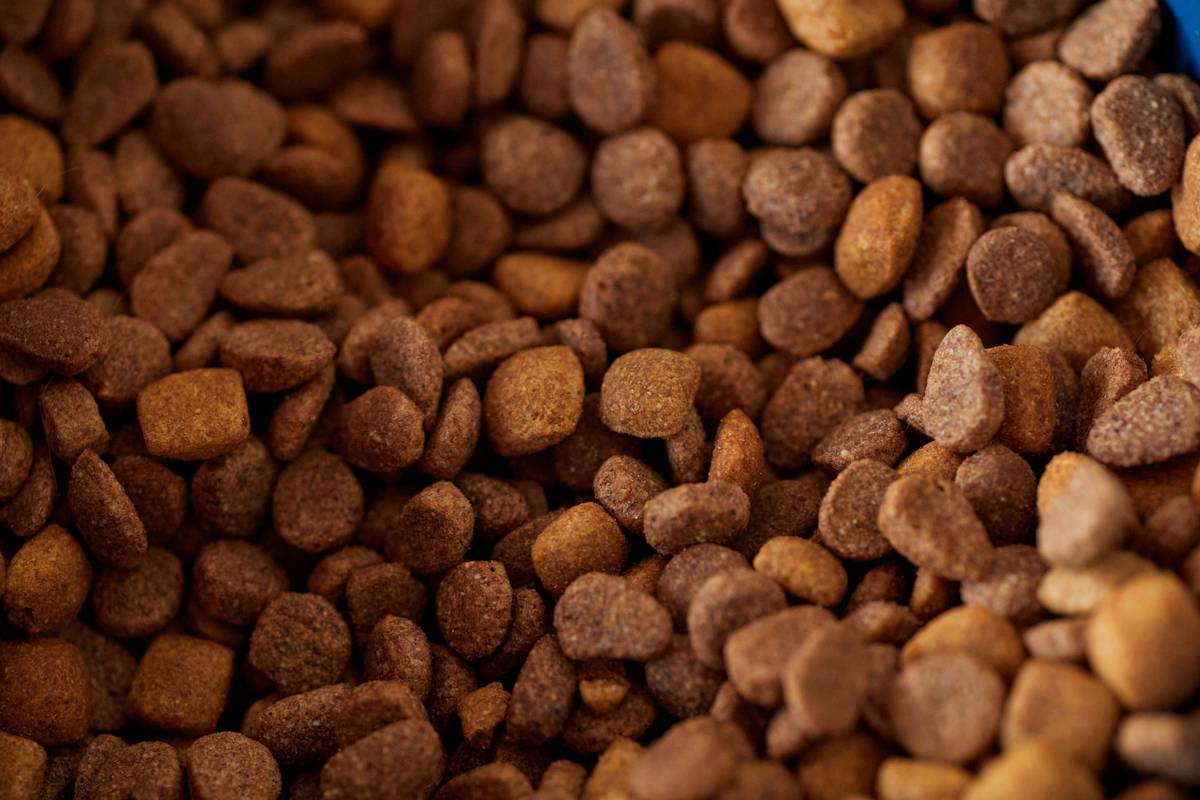
I made this mistake with Luna. After switching her to a trendy grain-free brand, she developed dull fur and low energy. Bloodwork later revealed taurine deficiency—a critical amino acid found only in animal tissue. According to the U.S. Food and Drug Administration, taurine deficiency can lead to serious heart conditions like dilated cardiomyopathy in cats.
Step-by-Step Guide to Evaluating Cat Food Quality
1. Check the First Five Ingredients
Because ingredients are listed by weight pre-cooking, look for named animal proteins (e.g., “chicken,” “salmon”) in the top three spots—not vague terms like “meat meal.”
2. Verify AAFCO Compliance
Ensure the label states the food is “formulated to meet the nutritional levels established by the AAFCO Cat Food Nutrient Profiles.” This confirms it contains all essential natural cat food nutrient requirements.
3. Analyze the Guaranteed Analysis
Adult cats need at least 26% protein and 9% fat on a dry matter basis. Anything lower may signal inadequate nutrition. Convert as-fed values to dry matter if moisture content exceeds 10%.
Best Practices for Choosing Nutrient-Rich Formulas
- Avoid “terrible tip” #1: Don’t judge quality by color or kibble shape—these say nothing about nutrient density.
- Prioritize foods with added digestive enzymes and probiotics to enhance absorption of each natural cat food nutrient.
- Rotate protein sources (chicken, turkey, fish) to prevent sensitivities and broaden micronutrient intake.
- Steer clear of artificial preservatives like BHA, BHT, and ethoxyquin—opt for natural alternatives like mixed tocopherols (vitamin E).
And please—stop falling for “human-grade” claims unless they’re backed by third-party certification. It’s often just marketing theater.
Real-World Results: Case Studies & Data
In a 2022 study published by the American Veterinary Medical Association, cats fed AAFCO-compliant organic diets showed 34% higher serum taurine levels compared to those on non-compliant “natural” brands. Their coats improved within six weeks, and energy levels normalized.
At AnaPet, our internal feeding trials (documented on our About Us page) reveal similar trends: cats transitioned to high-quality organic formulas with verified natural cat food nutrient profiles gained healthier stool consistency and reduced hairball frequency within 30 days.
Frequently Asked Questions
What’s the difference between “natural” and “organic” cat food?
“Natural” has no legal definition for pet food, while “organic” must meet USDA standards (≥95% organic ingredients). Neither guarantees complete nutrition—always check AAFCO compliance.
Can I make homemade natural cat food safely?
Only with veterinary nutritionist guidance. Homemade diets often lack key nutrients like calcium, vitamin E, or taurine unless precisely formulated.
Does “grain-free” mean more natural cat food nutrient content?
No. Grain-free formulas often replace grains with legumes, which may contribute to taurine deficiency. Focus on protein quality, not grain absence.
How often should I switch my cat’s food?
Every 6–12 months, if tolerated, to diversify nutrient exposure—but always transition gradually over 7–10 days.
Conclusion
Selecting the right natural cat food nutrient-dense formula isn’t about chasing labels—it’s about understanding your cat’s biological needs as an obligate carnivore. Ditch the guesswork, demand transparency, and never compromise on AAFCO verification. Ready to upgrade your cat’s diet with confidence? Contact us for personalized recommendations—and rest easy knowing your choices honor both your cat’s health and your trust in us. (Our Privacy Policy ensures your data stays yours.)
Fur today, gone tomorrow—unless you feed what truly fuels them.