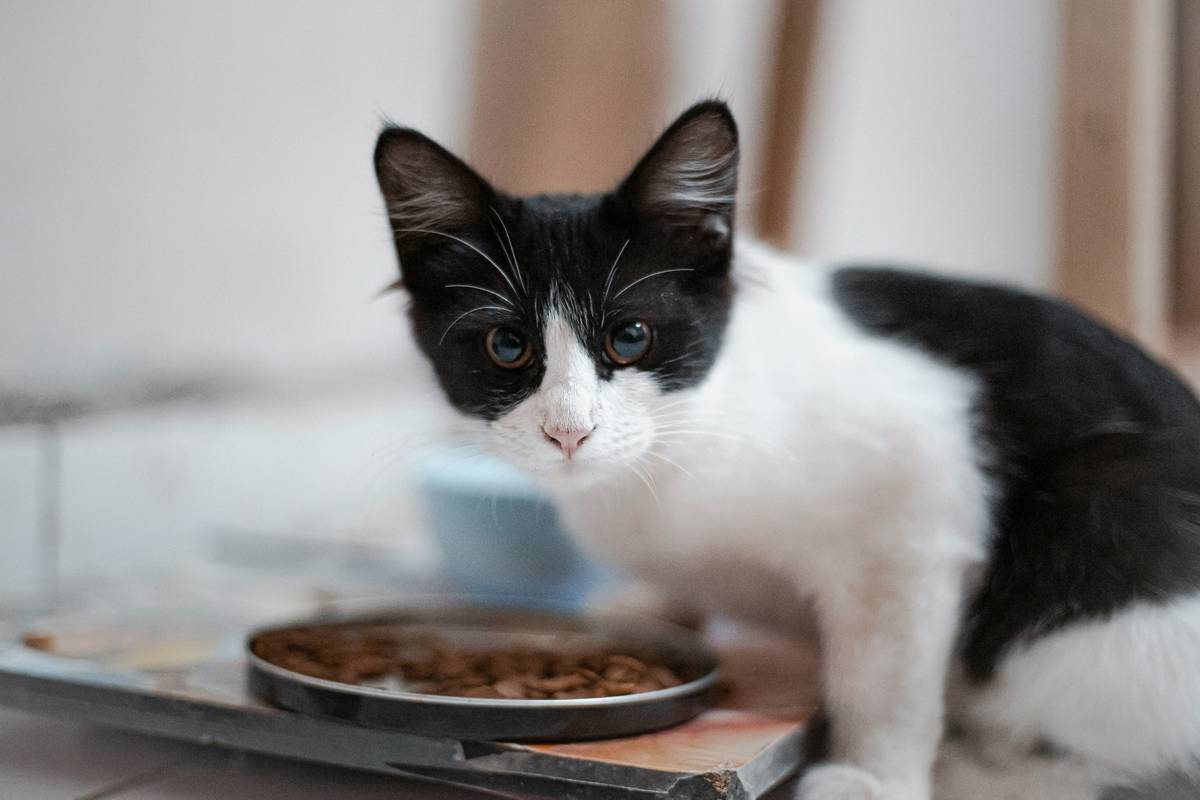
Your cat scratches. Constantly. You’ve tried “grain-free.” Switched brands twice. Even splurged on that boutique salmon recipe. Still, the red patches flare up—especially around the neck and paws. Here’s the gut punch: most “hypoallergenic” kibbles are marketing theater. But there *is* a real solution. An allergy-safe cat kibble plan built on elimination logic, not label buzzwords.
Why Your Current “Hypoallergenic” Kibble Is Failing
Manufacturers love touting “novel proteins” like duck or kangaroo. Sounds exotic. Feels safe. Reality? Cross-contamination in shared production lines is rampant. One batch of chicken kibble runs through the same extruder as your “pure venison” formula. Boom—residual allergens trigger flare-ups.
And don’t trust “limited ingredient” claims without scrutiny. Many still pack hidden starches, synthetic preservatives, or filler oils that inflame sensitive systems.
Worse? Most vets recommend commercial hydrolyzed diets—but those often contain corn gluten or soy derivatives masked under technical names. Your cat’s immune system doesn’t care about semantics. It reacts.
Building Your Allergy-Safe Cat Kibble Plan
This isn’t guesswork. It’s forensic nutrition. Follow these steps—no shortcuts.
Step 1: Full Ingredient Audit
Pull every bag from your pantry. List *every* ingredient—not just the top three. Watch for synonyms: “animal fat,” “natural flavor,” “vegetable oil.” These are allergen landmines.
Step 2: True Novel Protein Selection
Pick a protein your cat has *never* eaten. Not “rare”—*truly novel*. If they’ve had turkey, avoid poultry entirely. Consider insect-based proteins (like black soldier fly larvae) or rabbit—less common in mainstream lines.
Step 3: Manufacturing Transparency Check
Email the brand. Ask: “Do you run single-ingredient batches with full line flushes between formulas?” If they hesitate or say “we follow FDA guidelines,” walk away. FDA doesn’t regulate cross-contact in pet food like it does in human allergen zones.
Step 4: Transition & Observation Protocol
Switch over 10 days—not 7. Monitor for subtle signs: ear flicking, excessive licking, loose stool. Keep a symptom journal. Improvement should be visible by day 14 if you’ve nailed the triggers.
| Brand Type | Protein Source | Cross-Contact Risk | Avg. Cost (per lb) | Vet-Recommended? |
|---|---|---|---|---|
| Mainstream “Grain-Free” | Salmon, Chicken | High (shared lines) | $2.50 | Rarely |
| Clinical Hydrolyzed | Hydrolyzed soy/chicken | Medium (despite claims) | $6.00 | Often—but outdated |
| Small-Batch Organic | Insect, Rabbit, Venison | Low (dedicated facilities) | $5.20 | Increasingly yes |
| Homemade (with vet guidance) | Custom-selected | Negligible | $4.80 | Yes—for severe cases |
The Industry Secret: It’s Not Just Protein—It’s Processing
Here’s what no one tells you: high-heat extrusion—the standard method for making kibble—denatures proteins into shapes the immune system misreads as threats. Even pure rabbit becomes immunogenic after 300°F+ cooking.
Some pioneering brands now use cold-pressed or air-dried methods below 180°F. The result? Intact protein structures that don’t provoke false alarms. It’s pricier. Harder to find. But for cats with true food sensitivities—not just pickiness—it’s the difference between chronic inflammation and calm digestion.
Think about it: would you eat a steak cooked at volcanic temperatures? Neither should your cat—especially if their gut is already on high alert.
Frequently Asked Questions
Can grain-free cat food cause allergies?
Yes. Many grain-free formulas replace grains with legumes (peas, lentils), which are emerging as potent allergens. Grain isn’t the enemy—hidden fillers and processing are.
How long until I see results on an allergy-safe cat kibble plan?
Most cats show reduced itching within 10–14 days. Full skin healing can take 6–8 weeks. Consistency is non-negotiable.
Is organic certification enough for allergy safety?
No. Organic ≠ hypoallergenic. A kibble can be USDA Organic and still contain chicken fat or fish meal—common triggers. Always read beyond the seal.