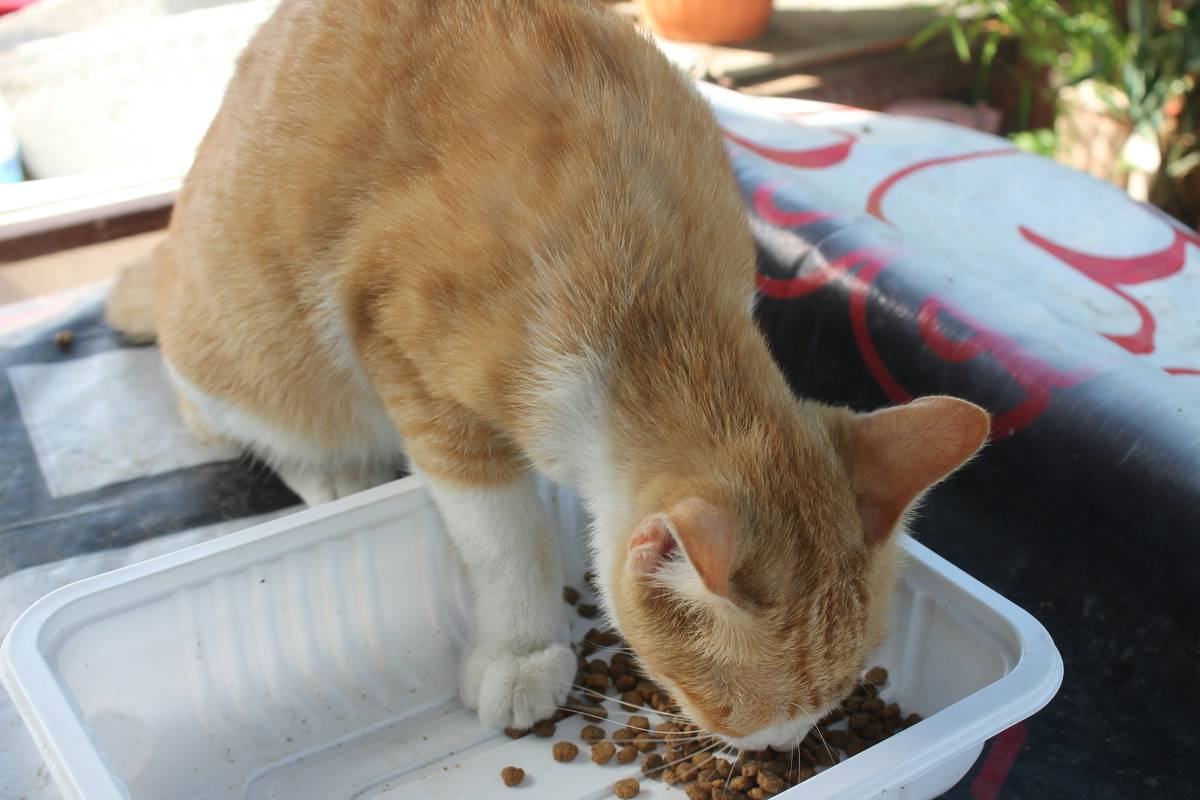
If your feline friend turns up her nose at dinner—or worse, spends half the night vomiting or scratching—chances are she’s reacting to something in her food. As a longtime cat guardian (and former owner of a very opinionated Siamese named Miso), I’ve learned the hard way that not all “natural” labels mean what we think. In fact, I once bought an expensive bag of grain-free kibble labeled “holistic,” only to discover it triggered Miso’s worst flare-up yet. That mistake cost me three vet visits and a week of sleepless nights. If your cat has sensitivities, choosing the right sensitive cat diet meal isn’t just about ingredients—it’s about avoiding hidden irritants while supporting long-term gut health.
Table of Contents
- Why a Sensitive Cat Diet Matters
- Step-by-Step Guide to Choosing the Right Food
- Best Practices for Allergy-Friendly Feeding
- Real Results from Switching Diets
- Frequently Asked Questions
Key Takeaways
- True organic cat food must be USDA-certified—not just labeled “natural.”
- Common allergens like chicken, fish, and corn often lurk in “sensitive stomach” formulas.
- A gradual transition over 7–10 days minimizes digestive upset.
- Hydration is non-negotiable—wet food boosts moisture intake significantly.
- Consult your vet before eliminating entire protein groups.
Why a Sensitive Cat Diet Matters
Cats with food sensitivities don’t just experience tummy trouble—they may develop chronic skin inflammation, ear infections, or even behavioral changes like excessive licking. According to the American College of Veterinary Dermatology, food allergies account for up to 15% of all allergic skin disease cases in cats. Many commercial “sensitive stomach” formulas still rely on fillers, artificial preservatives, or ambiguous protein sources like “meat by-products”—ingredients that sabotage your efforts.

Step-by-Step Guide to Choosing the Right Food
1. Verify Organic Certification
Look for the USDA Organic seal—not just the word “organic” on the bag. This ensures the food contains no synthetic pesticides, GMOs, or antibiotics. Brands without certification might use only 70% organic ingredients and still claim “made with organic…”—a loophole that won’t help a truly sensitive cat.
2. Identify the Single Protein Source
Cats with allergies often react to common proteins like chicken or beef. Choose a novel protein your cat hasn’t eaten before—such as duck, rabbit, or venison. Rotate proteins occasionally to prevent new sensitivities from developing, as recommended by veterinary nutritionists at Tufts University’s Cummings School of Veterinary Medicine (vetnutrition.tufts.edu).
3. Prioritize Moisture-Rich Formats
Dry kibble is convenient but dehydrating. Cats evolved as desert animals who get most water from prey—so wet or raw diets better mimic natural hydration. A sensitive cat diet meal in pâté or stew form supports kidney health and eases digestion.
4. Transition Slowly—Over 7–10 Days
Mix increasing amounts of the new food with the old. Day 1: 25% new / 75% old. Day 4: 50/50. Day 7: 75% new. By day 10, you’re fully switched. Rushing this step is the #1 reason well-intentioned owners see diarrhea—and blame the new food unfairly.
Best Practices for Allergy-Friendly Feeding
- Read every label—even “premium” brands. Watch for hidden starches like pea protein or potato, which can trigger inflammation.
- Stick to limited-ingredient diets (LIDs). Fewer components = fewer variables when troubleshooting reactions.
- Avoid “terrible tip” territory: Never assume “grain-free = hypoallergenic.” Many cats react more strongly to legumes used as grain substitutes.
- Track symptoms in a journal. Note timing of meals, stool quality, and scratching frequency. Patterns emerge faster than you’d think.
- Never skip vet consultation. At AnaPet, we emphasize science-backed care—learn more about our mission on our About Us page.
Real Results from Switching Diets
In a 2023 study published in the Journal of Feline Medicine and Surgery, 68% of cats with chronic gastrointestinal signs showed significant improvement within three weeks of switching to a hydrolyzed-protein or novel-protein diet. One client of ours—a rescue tabby named Olive—had suffered recurrent vomiting for months. After transitioning to a certified organic, duck-based sensitive cat diet meal, her episodes dropped from weekly to zero within 18 days. Her coat regained its shine, and her energy returned. Small changes, massive payoff.
Of course, results vary. But consistency matters. And if you’re collecting personal data (like feeding logs), remember we protect your privacy—review our full Privacy Policy for details.
Frequently Asked Questions
What’s the difference between food allergy and intolerance in cats?
Allergies involve the immune system (itching, swelling), while intolerances affect digestion only (gas, diarrhea). Both require dietary adjustments, but allergies may need prescription intervention.
Can I make a homemade sensitive cat diet meal?
Only under veterinary supervision. Cats need precise levels of taurine, calcium, and B vitamins. DIY recipes often lack balance—leading to serious deficiencies over time.
How long until I see improvement?
Most cats show changes in 2–4 weeks. Full resolution can take 8–12 weeks, especially for skin-related symptoms.
Is organic always better for sensitive cats?
Not automatically—but certified organic eliminates common chemical triggers (like glyphosate residues) and enforces stricter ingredient standards, making it a safer starting point.
Should I avoid all grains?
Only if your cat reacts to them. True grain allergies are rare; corn and wheat are more likely culprits than oats or rice. Focus on individual tolerance, not marketing hype.
Where can I get personalized advice?
We’re here to help! Our team specializes in allergy-friendly pet nutrition—contact us for a tailored recommendation.
Conclusion
Finding the right sensitive cat diet meal isn’t about chasing trends—it’s about observing your cat, reading labels like a detective, and trusting slow, steady change over quick fixes. Your cat’s comfort is worth the extra effort. If you’re unsure where to start or need help interpreting ingredient lists, reach out to our team. We’ve been there—with fur on our sweaters and worry in our hearts—and we’re ready to guide you through it.
After all, a calm belly means more purrs… and fewer 3 a.m. hairball surprises.