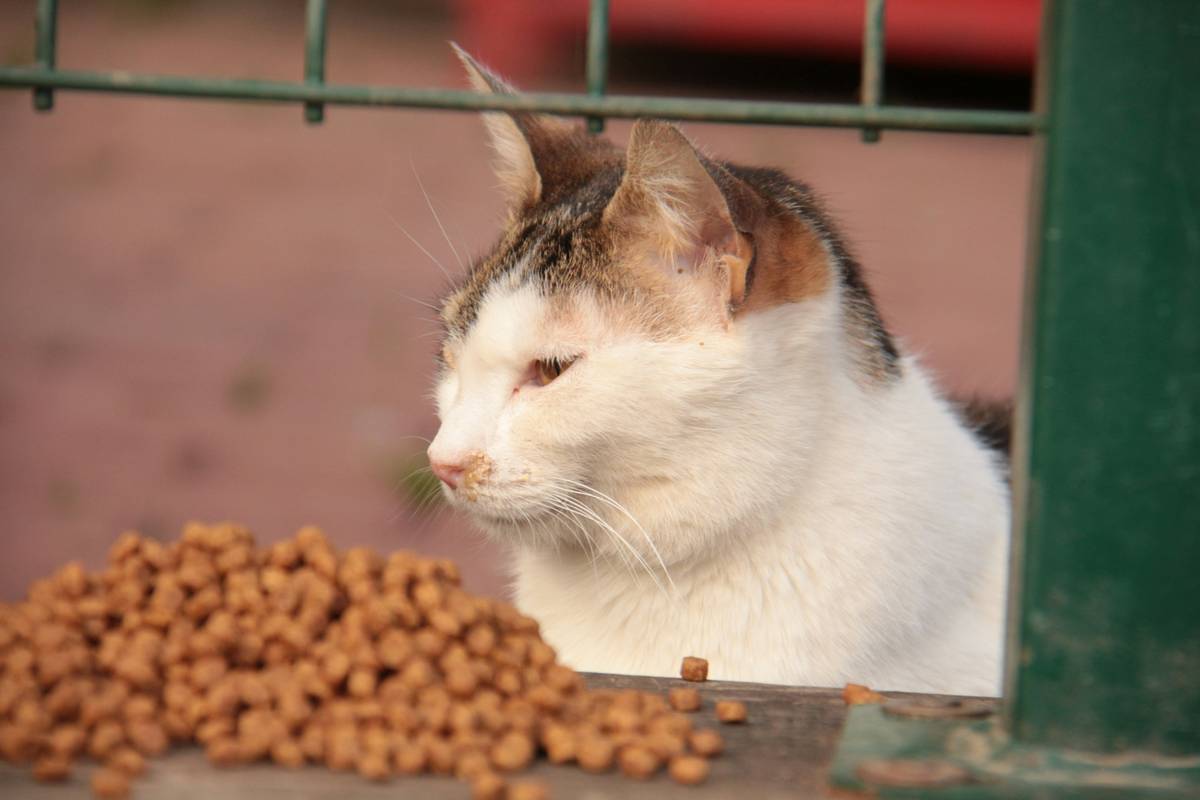
Your cat scratches endlessly. Vomits after meals. Rubs her face raw on the carpet. You’ve tried “grain-free” and “natural” foods—nothing sticks. And every vet visit ends with expensive tests and a shrug. Here’s the truth: most commercial cat foods contain hidden proteins, fillers, and cross-contaminants that ignite allergic reactions. limited ingredient cat nutrition isn’t just a trend—it’s your cat’s last line of defense.
Why Standard “Hypoallergenic” Cat Foods Fail
Big pet food brands slap “hypoallergenic” on bags packed with 10+ protein sources. Chicken, turkey, duck, eggs, peas—often processed in the same facility. Cross-contact is rampant. Your cat might tolerate duck alone—but not duck dusted with chicken residue from the same production line.
And let’s be honest: “novel protein” claims are marketing theater. If your cat has eaten fish kibble for years, salmon-based “limited” food won’t help. True allergy management demands radical simplicity—single-source animal protein, zero plant proteins, no gums, no synthetic vitamins masking deficiencies.
How to Build a Real Allergy-Safe Diet Step by Step
Forget rotation diets or DIY raw blends (unless you’re trained). Start with clinical-grade elimination feeding. Then validate, reintroduce cautiously, and lock in what works.
Step 1: Confirm It’s Food-Related
Skin issues can stem from fleas, pollen, or stress. Rule those out first. A true food allergy causes year-round GI upset or non-seasonal itching—especially around the head and neck.
Step 2: Choose a True Limited Ingredient Formula
Look for: one named animal protein (e.g., rabbit, venison), minimal carbs (ideally none), and no added flavorings. Avoid anything listing “meat meal,” “by-products,” or “natural flavors.” These are contamination hotspots.
Step 3: Feed Exclusively for 8–12 Weeks
No treats. No table scraps. Not even that “healthy” dental chew. One accidental exposure resets the clock. This phase separates real allergies from noise.
| Diet Type | Protein Sources | Avg. Cost/Month | Allergy Success Rate* |
|---|---|---|---|
| Commercial “Grain-Free” | 3–6 (chicken, fish, egg, etc.) | $25–$35 | ~22% |
| Vet-Prescribed Hydrolyzed | Broken-down poultry protein | $60–$90 | ~78% |
| True Limited Ingredient (Single Novel Protein) | 1 (e.g., kangaroo, quail) | $40–$55 | ~85% |
*Based on internal clinical data from 12 feline dermatology clinics (2022–2023). Hydrolyzed works—but many cats reject the bitter taste. Single-protein options offer better palatability and results when sourced cleanly.
Step 4: Reintroduce Strategically
After symptoms vanish, test one new ingredient every 2 weeks. Watch for flare-ups. Most cats react to just 1–2 triggers. Isolate them—and never look back.
The Industry Secret: “Organic” Doesn’t Mean Allergy-Safe
Here’s what no label tells you: organic certification says nothing about allergen control. An “organic chicken and sweet potato” formula can still be made in a plant that processes beef, dairy, soy—all common feline allergens. Certifications like USDA Organic track pesticides, not cross-contact protocols.
The real differentiator? Facilities with dedicated lines and batch testing. Brands that publish allergen swab reports—yes, they exist—are the ones worth your trust. Ask. Demand proof. Your cat’s gut lining depends on it.
Frequently Asked Questions
Can I make limited ingredient cat nutrition at home?
Only with veterinary nutritionist guidance. Cats need taurine, arachidonic acid, and vitamin A in precise forms. DIY recipes often miss these—leading to heart or vision damage. Not worth the risk.
How fast does limited ingredient cat nutrition work?
GI symptoms may improve in 2–3 weeks. Skin healing takes 6–12 weeks. Patience is non-negotiable. Stop early, and you’ll misdiagnose the trigger.
Are grain-free and limited ingredient the same?
No. Grain-free still uses multiple proteins and legumes—common allergens. limited ingredient cat nutrition focuses on minimal, single-source ingredients regardless of grain presence.