Your cat scratches nonstop. Their fur looks dull. Maybe they vomit after every meal. You’ve tried grain-free kibble, rotated proteins, even switched brands monthly. Nothing sticks. And every vet visit ends with a shrug and another pricey prescription diet that—let’s be honest—your cat barely touches. Here’s the solution: an allergy-friendly cat meal plan built on real nutrition science, not marketing fluff.
Why Most “Hypoallergenic” Cat Foods Fail Miserably
Manufacturers slap “limited ingredient” or “novel protein” on bags like confetti—but cross-contamination in shared production lines means your salmon-based kibble might still carry traces of chicken, beef, or soy. That’s enough to trigger chronic inflammation in sensitive cats.
And commercial diets? Even premium ones often rely on hydrolyzed proteins—chopped-up allergens that theoretically shouldn’t provoke a reaction. But here’s the industry’s dirty secret: hydrolysis isn’t foolproof. Some feline immune systems still recognize those fragments. Result? Persistent itching, GI upset, and you tearing your hair out.
Building Your Allergy-Friendly Cat Meal Plan: Step by Step
Forget guesswork. This method combines elimination diet principles with rotational feeding—but done right.
Step 1: Identify True Triggers (Not Assumed Ones)
Stop assuming it’s chicken or grains. Over 60% of food allergies in cats stem from beef, dairy, or fish—not carbs. Run a strict elimination trial using a single, biologically appropriate novel protein your cat has never eaten (think rabbit, venison, or duck) paired with a simple carb like cooked squash or green peas. No treats. No flavored meds. Eight weeks, zero deviations.
Step 2: Introduce One Ingredient at a Time
After symptoms subside, add back one potential allergen every two weeks. Watch for flare-ups. Keep a symptom journal—note stool quality, ear wax buildup, skin redness. Cats won’t vocalize discomfort; you must decode it.
Step 3: Rotate Proteins Strategically
Even safe proteins can become problematic if fed daily for months. Rotate among 2–3 approved proteins every 7–10 days. This prevents new sensitivities from forming. Yes, it takes planning—but far less than dealing with recurring vet bills.
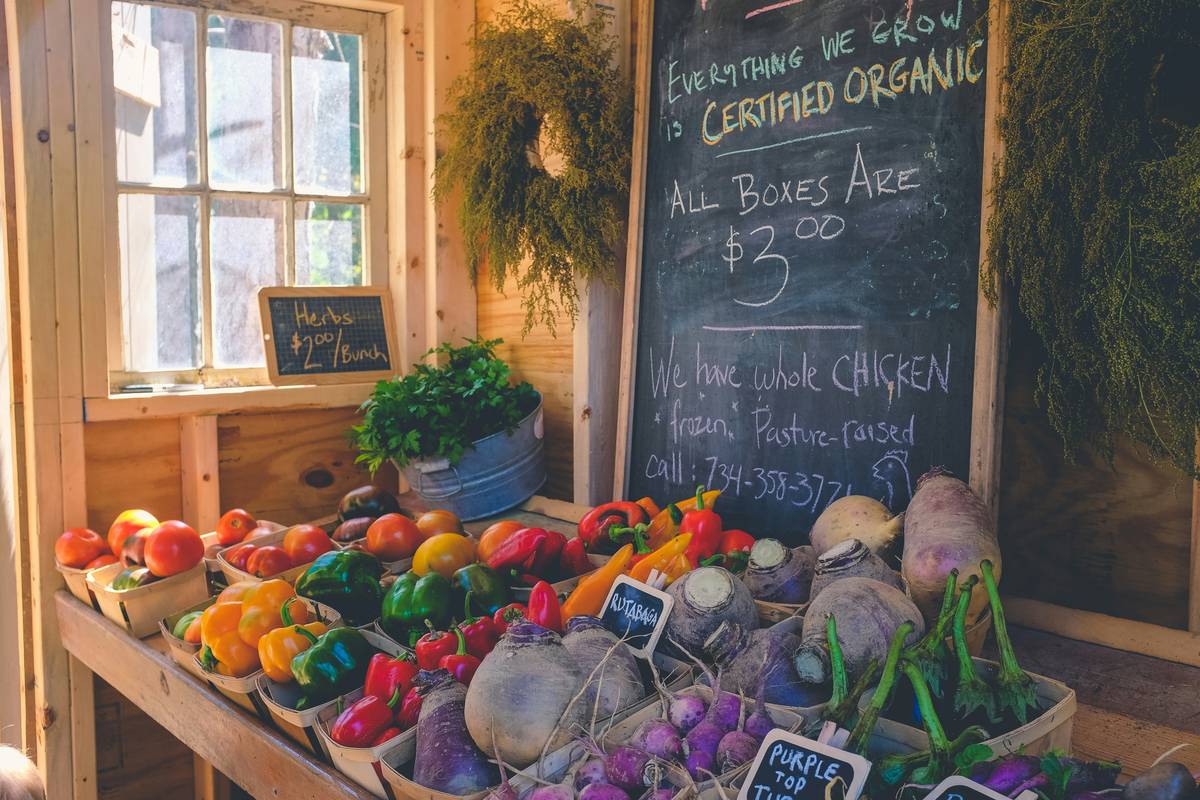
| Approach | Initial Cost (Monthly) | Time Investment | Success Rate for True Food Allergies |
|---|---|---|---|
| Premium Commercial Limited-Ingredient Diet | $45–$75 | Low | ~40% |
| Veterinary Hydrolyzed Protein Food | $60–$90 | Low | ~55% |
| Homemade Allergy-Friendly Cat Meal Plan (with guidance) | $35–$60 | Moderate (2–4 hrs/week prep) | ~80% |
Step 4: Never Skip the Supplements
Homemade meals lack taurine, calcium, and B vitamins unless fortified. Use a feline-specific supplement like Balance IT Feline or consult a veterinary nutritionist. Skipping this risks dilated cardiomyopathy—fast.

The Industry Secret: It’s Not Just the Protein—It’s the Processing
Most pet owners obsess over ingredients but ignore how food is made. High-heat extrusion (used in kibble) denatures proteins, creating new antigenic compounds that never existed in nature. These neoantigens can trick the immune system into reacting—even if the original ingredient was “safe.”
That’s why some cats improve dramatically on gently cooked or raw diets, even when using the same protein source. The math is simple: less processing = fewer immune triggers. But—and this is critical—you must control for bacterial risk. Freeze raw portions for 72 hours pre-thaw to kill Toxoplasma and Salmonella. Cooked? Keep temps above 165°F internally.
Frequently Asked Questions
Can I use lamb as a novel protein in my allergy-friendly cat meal plan?
No. Lamb was once novel but is now common in commercial foods—many allergic cats react to it. Choose truly uncommon proteins like kangaroo, goat, or quail instead.
How long does an elimination diet take to show results?
Most cats show improvement in 4–6 weeks, but full resolution can take 8–12 weeks. Don’t quit early—even if symptoms seem better.
Are grain-free diets automatically allergy-friendly?
Not at all. Grain allergies are rare in cats. Most reactions come from animal proteins. Grain-free foods often replace grains with legumes—which can cause other issues like DCM in susceptible pets.